Inside the Mind of a Curator: Big-Picture Thinking with Detail-Oriented Focus
Mariam Shergelashvili is an Exhibition Curator at the State Silk Museum in Tbilisi, the Republic of Georgia, an independent researcher, and the founder of the collaborative curatorial platform unarchived_semiotics. Mariam’s academic background is rooted in Art History and Theory; currently, she is a PHD student at Tbilisi State University. She began her professional career at an early age as an intern at the State Silk Museum, where she developed a strong foundation in museum work and curatorial practice. She joined the museum in 2014 and has been Exhibition Curator since 2017, developing exhibitions, research initiatives, and educational programs that connect historical collections with contemporary art. Her interests encompass material culture, memory, and the relationships between art, place, and social change. Alongside her museum work, she coordinates projects for the Tbilisi Architecture Biennial, is Editor-in-Chief of ZE GAVLENA, and has initiated the sound platform TAN_KHMOVANI.
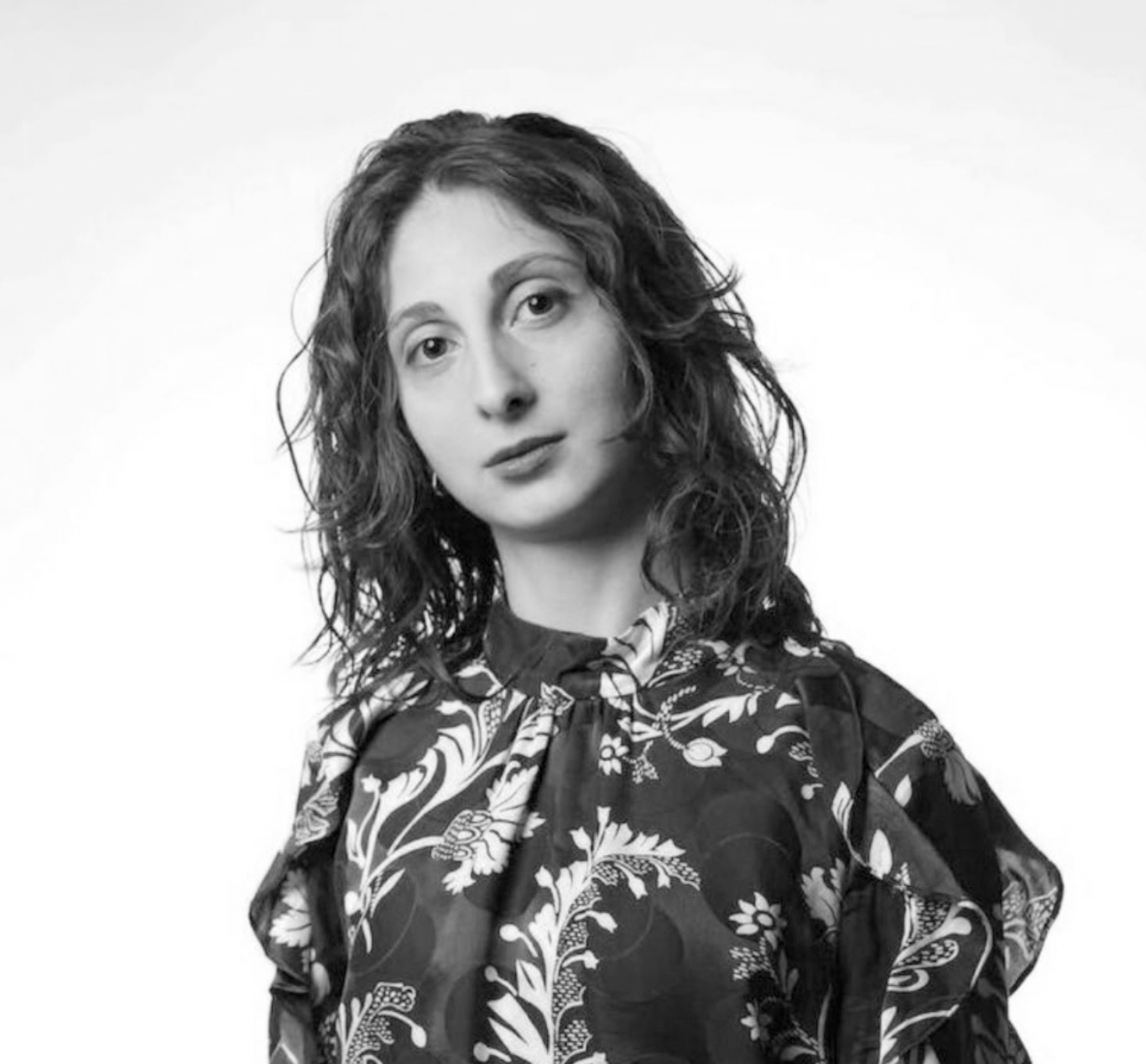
Interview with Mariam Shergelashvili, an Exhibition Curator at the State Silk Museum, an independent researcher, and the founder of the collaborative curatorial platform unarchived_semiotics, in Tbilisi, the Republic of Georgia.
How would you describe your career trajectory? Are you where you imagined you would be 10 years ago? And is there anything you would change about your professional journey?
I have been interested in art since early childhood, though I never dreamed of becoming a curator. I wanted to be a journalist, an actor… My life's path led me to a career in curating. My background is in art history - I am a historian of art theory. From the very beginning of my studies, an academic education in art history never felt sufficient; I constantly felt a need for active engagement with art and museums. As it happened, during my second year at the university, the State Silk Museum (The State Silk Museum in Tbilisi, the Republic of Georgia, one of the world's oldest specialized sericulture (silk-producing) museums) announced its first internship program; I joined it and became completely captivated by the world of museums. In a way, this internship changed my entire life. After the internship, I stayed on at the museum in a part-time capacity, allowing me to combine museum work and my studies with practical activities. I had always wanted to work on independent art projects, but I began actively pursuing a curatorial path in 2017. I started with museum educational programs and, by gaining an understanding of museum collections, aimed to make them more accessible to various groups. Added to this is my love for informal exploration, experimentation, and research. I have always navigated between various media, and these diverse experiences have collectively shaped the direction of my current work. It is very important that I have both institutional collaboration and independent projects, and that I do not limit myself to a single direction. I do not have a narrowly defined scope of research; the museum - as a multi-layered institution - has enabled me to take a broader view, not only of this specific field but also of the entire range of cultural and artistic possibilities that emerge within it. I believe this multidimensional perspective is reflected in my various projects.
How do you find new artists and emerging ideas as a curator? What informs your decision when assessing whether an artist’s work is relevant and significant to a particular audience?
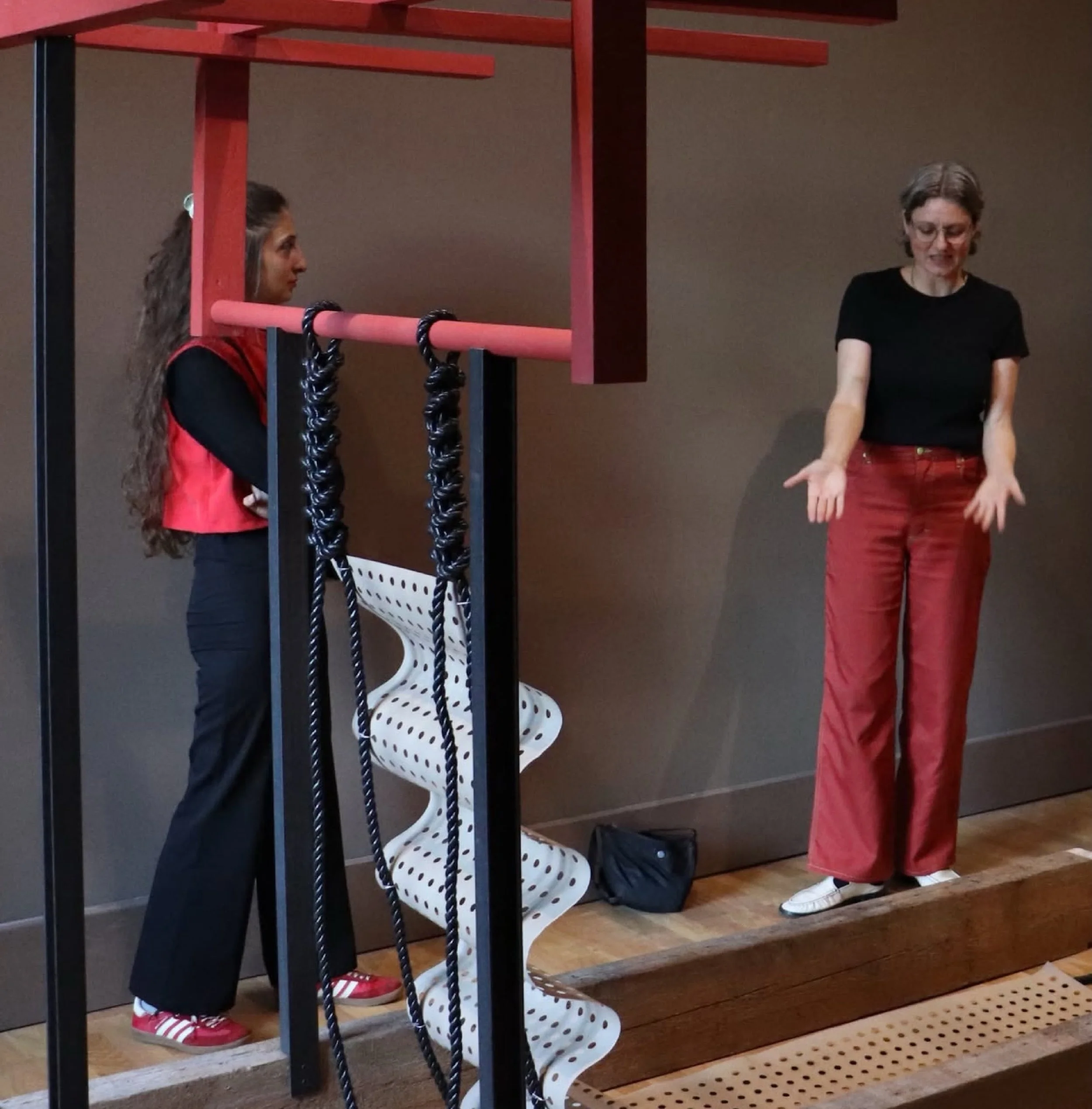
Being engaged in a long-term process and building a curatorial portfolio means taking initiative and developing a professional network. Working within an institution whose development has depended on the collective effort of many also means contributing to that shared process. Communication is essential to any new project: an idea is a starting point, but knowing how to connect it with people who can help develop it is crucial, and that comes with experience. Over my ten years of experience, which is still a relatively short time, there have been moments when an idea or an ongoing interest has naturally led to a new initiative. Following what is happening locally and internationally, gaining experience, and building relationships are all part of that process. My main interest is in group exhibitions, with artists invited through a considered selection shaped by the project’s focus. Other collaborations develop differently. One of the latest exhibition projects I worked on was SPINSTERHOOD, with Vienna-based artist Eva Seiler. She contacted the museum herself about undertaking a residency, and the exhibition idea subsequently emerged through her research. Curatorial work is not a mechanical process. It becomes a way of life: thinking creatively, finding like-minded people, and bringing them together around a shared idea at the right moment.
How do you balance your own curatorial vision with an artist’s intentions and the broader goals of an institution? Have you ever developed an exhibition idea that could not ultimately be realized because of institutional considerations or constraints?
Our team takes pride in being quite open to experimentation; we don’t face rigid institutional censorship hurdles, and this openness itself evolves over time - for instance, it’s not just about what gets exhibited, but about refining the context. It is a two-way process: people themselves create the institution, and over the years, their interests align with the institution's goals and mission. When discussing curatorial strategy - or working on an exhibition - we face limited resources; the key lies not in complaining about that scarcity, but in adapting more creatively. Of course, you have to navigate various factors, and these aren't decisions made in isolation; the museum has an agenda. You can't simply tailor everything to a specific focus group - the approach needs to be broad and inclusive. Since contemporary art in Georgia (the Republic of Georgia) doesn't yet reach a mass audience, we have to strike a balance regarding the mix of exhibitions - determining how many should be experimental versus those based on the museum's collections - while striving to open our doors as widely as possible. Working with an institution opens up possibilities, and this cooperation has become a natural part of my practice. Even independent projects often develop in connection with museums and cultural institutions.
Do you see museums and galleries as spaces for activism and social justice? As a curator, what do you consider the greatest challenge in creating space for diverse voices?
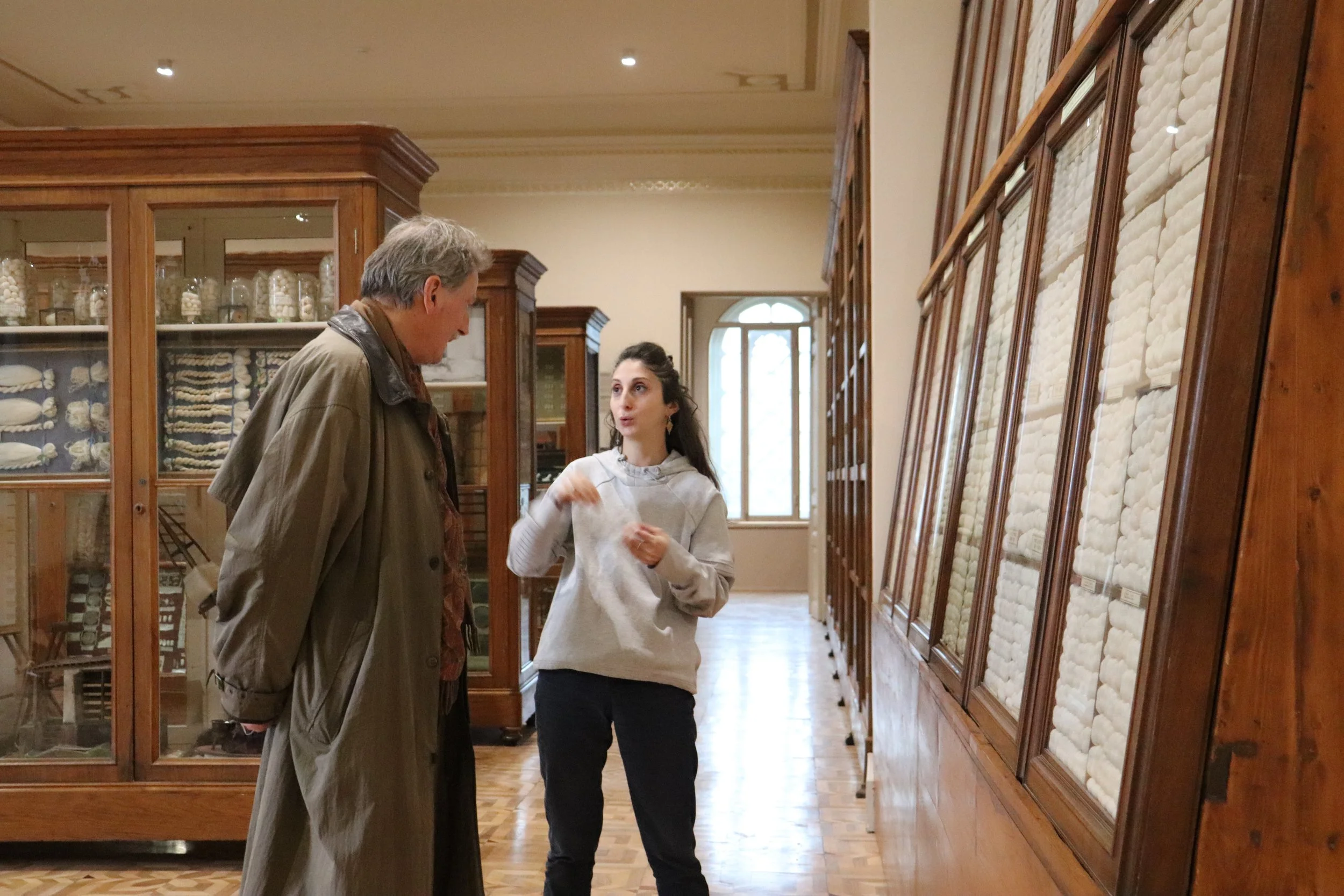
State Silk Museum, Tbilisi, the Republic of Georgia
Of course, art and museums have a significant social role. For a long time in modern art, art for hedonistic pleasure has not functioned. But according to my observations, there are some trends. Some exhibitions can trend and not be aimed at a specific audience. It is very easy; we live in such a schizoid environment, and not only in Georgia (the Republic of Georgia). The moment of humanity is so populist juggled, and everything is politicized. Politics eats up every space, and therefore it is quite difficult to find the voice of an organic, objective minority and to resonate with different social strata. Creating such a space remains a challenge to this day, yet small openings are emerging, allowing a sense of community to take hold within these spaces. The arts community is quite diverse; one could debate at length about the mistakes made or where the boundaries of professional ethics lie. Yet, viewed broadly, artists represent a comparatively more open segment of society. However, I believe the potential of museums themselves is underutilized, even though they possess great power to speak about violence and injustice. Political art may not be perceived in terms of slogans, but it can draw people into a dialogue. I think that today, the very act of creating art is a contradictory gesture. Georgia has a tradition of polyphony, and for this polyphony to resonate across diverse spaces, there must be creative room for minorities.
Looking back at your previous or current projects, can you describe an exhibition that presented significant challenges?
Resources! It’s likely because when you want to execute a major project, a shortage of human resources becomes a problem; doing everything yourself - from the initial concept down to the final hammer blow - inevitably affects quality. There are times when you feel like you’re on the verge of burnout, unable to figure out how to synchronize management with the technical side of things. For me, the challenges are the scarcity of resources and time and the constant chaos - these are present in almost every project. It is difficult to stay focused and inspired in Georgia; facing the local reality makes it hard to keep pace with modern challenges.

State Silk Museum, Tbilisi, the Republic of Georgia
How do you measure the success of an exhibition? Do you have your own criteria for determining whether a show has been successful?
In today's consumerist reality - where everything is measured and weighed, statistics exist for everything, and numerous criteria apply - the concept of success becomes highly relative. For instance, a large number of visitors might attend an exhibition, but I do not judge success superficially; living in a non-standard environment, I define success differently. It isn't just about reach; it is about whether you have changed even a single person - prompting them to reflect, view an issue from a new perspective, or spark their interest and inspiration. You can feel this impact: an exhibition is a form of visual communication in which you do not merely present an idea but create an atmosphere of creative exchange, actively involving members of the public in the process. Beyond other professional aspects, the way an idea is received matters to me; I gauge, based on the resulting impressions, with whom a particular thought has connected and the nature of that interaction. You might receive a single comment from a viewer, and that remark can prompt you to rethink a concept you've been contemplating for a whole year. The quality of this exchange is crucial. I don't have direct indicators. A platform for the exchange of ideas is becoming important. In this fast-paced environment, there is a shortage of this; everyone needs it, yet its value gets lost in the process.
Of the exhibitions you have curated, which has been your favorite, and why?
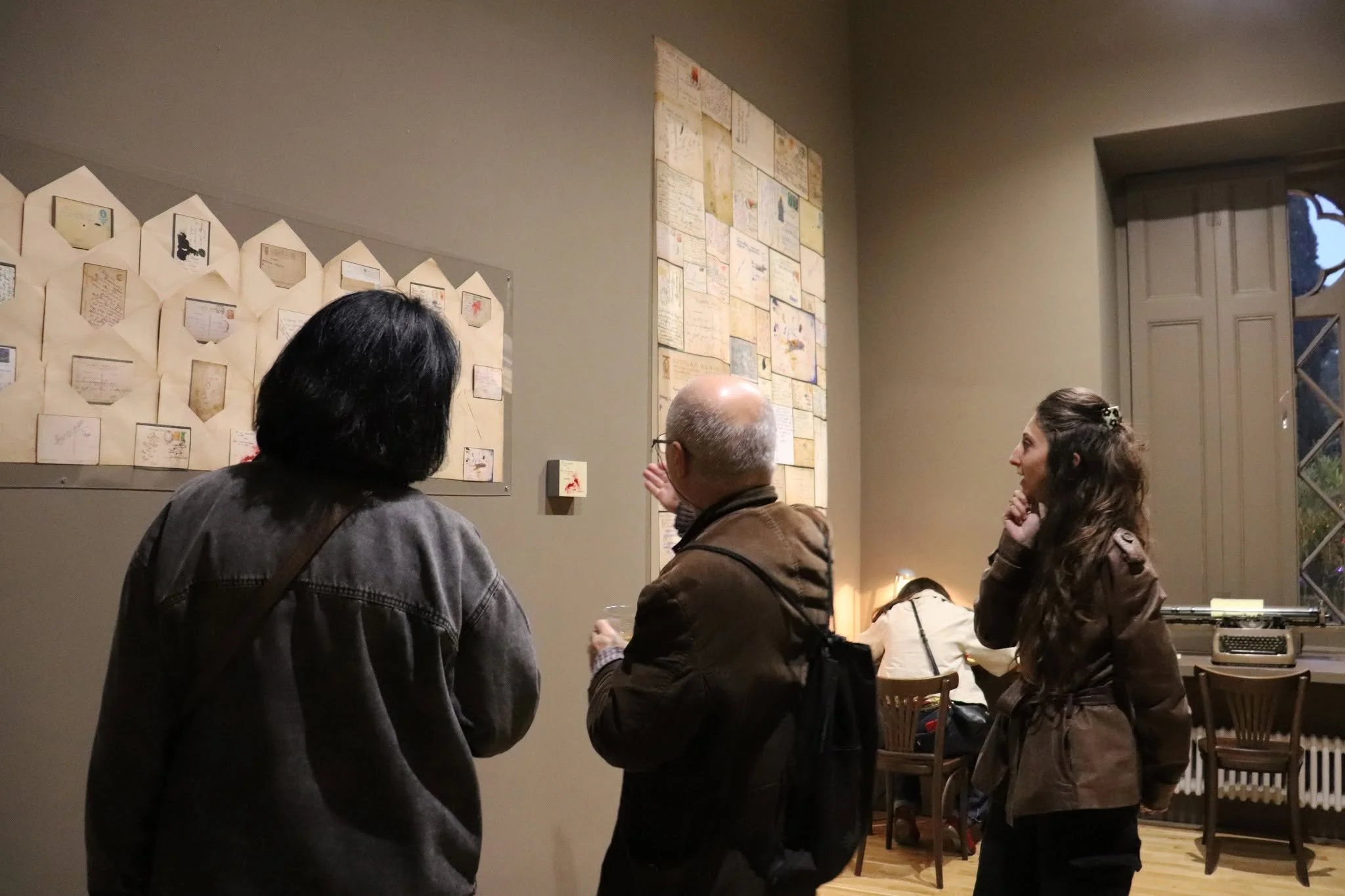
It’s difficult to choose a favorite because each exhibition has brought different collaborations, discoveries, and learning opportunities. Some stand out for the relationships that developed, others for the research, or the way audiences responded. What matters most is the substance of a project and what emerges through the process, so choosing just one wouldn’t quite reflect how I think about curatorial work.
From your perspective as a curator, what trends or developments in contemporary art are currently attracting the greatest public interest? What do you think motivates audiences to visit an exhibition today?
Every country faces challenges in this regard. Especially when discussing contemporary art - which employs a kind of universal language among artists - the art world as a whole faces the challenge of engaging audiences. A well-known author can also act as a trigger. Institutional trust may be more significant than the subject matter itself; you might create a brilliant exhibition, yet do so in a setting that lacks credibility. In this regard, the exchange of participatory practices is of great importance. The motivations of the modern individual - who has access to various forms of entertainment - are complex; consequently, you must create a space that offers not merely entertainment but also food for thought and inspiration.
