Exhibit Designing as Teaching
Paul Bernhard is a founder and principal partner of PBE, which provides services such as exhibit planning, rendering and visualization, exhibit design, construction documentation, engineering, exhibit fabrication, graphic design, illustration, and more to create an unforgettable museum experience.
Paul has a Bachelor of Science in Mechanical Engineering, magna cum laude, from Duke University and is a retired Commander in the U.S. Naval Reserve.
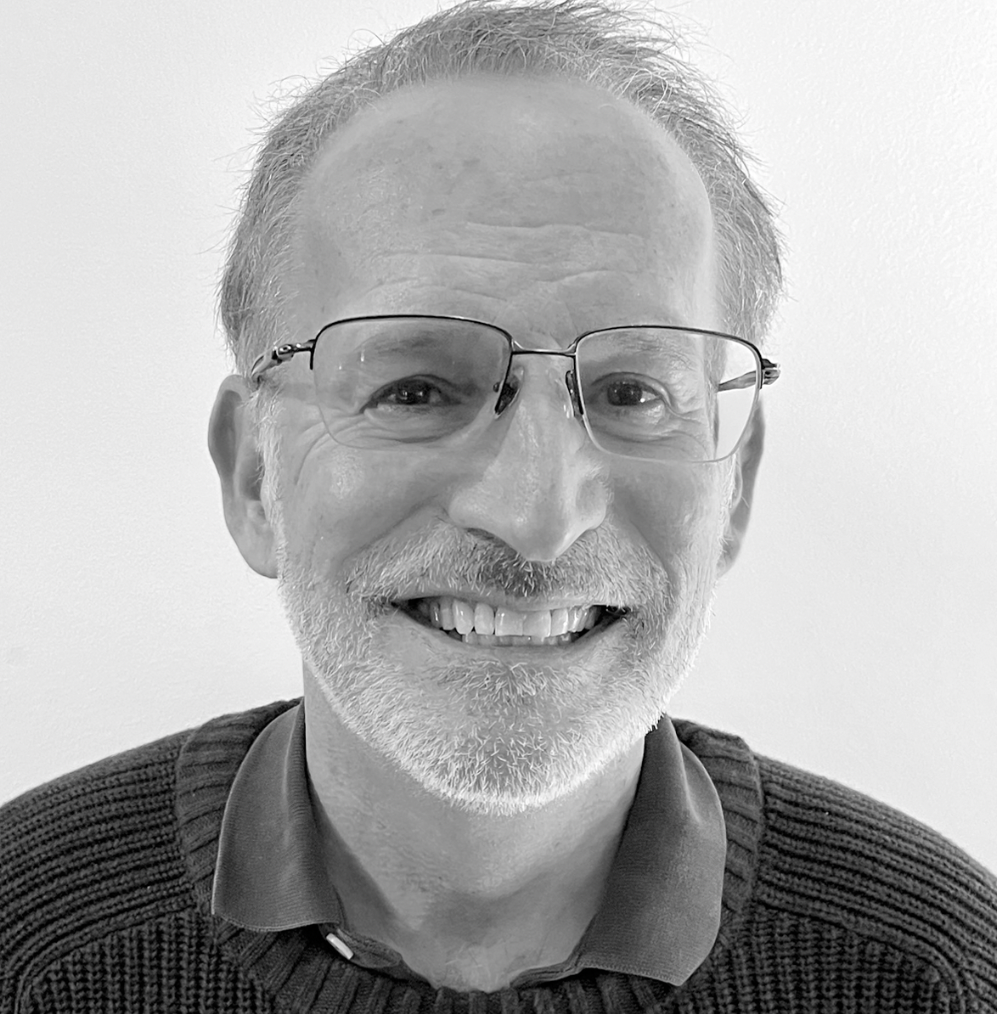
Interview with Paul Bernhard, a writer, producer, designer, content specialist, and exhibit developer.
In 1993, when a friend referred Paul Bernhard for a job in the Houston Museum of Natural Science, he definitely could not have imagined that after 33 years, his portfolio would be projects like - Wiess Energy Hall 3.0 at the Houston Museum of Natural Science, Tom Hunt Energy Hall in the Perot Museum of Nature and Science in Dallas, the David Friend Mineral Hall in the Yale Peabody Museum of Natural History (YPM), Garden of the Gods Visitor & Nature Center in Colorado Springs, the At-Turaif Living Museum, a UNESCO World Heritage site on the outskirts of Riyadh Saudi Arabia, Matter & Motion Hall: Quantum Chemistry to Astrophysics in the Houston Museum of Natural Science and other amusing exhibits that change museum visitor experience forever.
Paul, how did you become an exhibition developer? What brought you to the museum field?
My friend referred me to the Houston Museum of Natural Science (HMNS) in 1993 for a full-time label-writing and media scripting position. I had no idea what I was doing at that time. In 1997, I had a recall to Haiti by the Navy, and I took leave from the museum.
After six months, when I came back, I started working for HMNS as a freelancer with another friend who is a graphic designer. Soon, I moved to California and began working on remote projects for HMNS as an exhibit description writer and editor.
In 2004, the museum commissioned my first major project, the first version of the Wiess Energy Hall. I was a content guy. A few years later, I joined my graphic designer friend and another friend with experience in manufacturing to found the company Paul Bernhard Exhibit Design Consulting, which, after some years, transformed into PBE.
After visiting our exhibits, friends, donors, and investors were referring other museums and projects to PBE. We were fortunate enough to have cases where museums asked us to create “cool” exhibits for them without providing a brief.
“We were fortunate enough to have cases where museums asked us to create “cool” exhibits for them without providing a brief. ”
Which is your favorite project?
I would say my most recent big project is “Matter & Motion Hall: Quantum Chemistry to Astrophysics” in the HMNS. I love all my projects; there were some small projects that are unforgettable for me, like the Baku project (Caspian Energy Center).
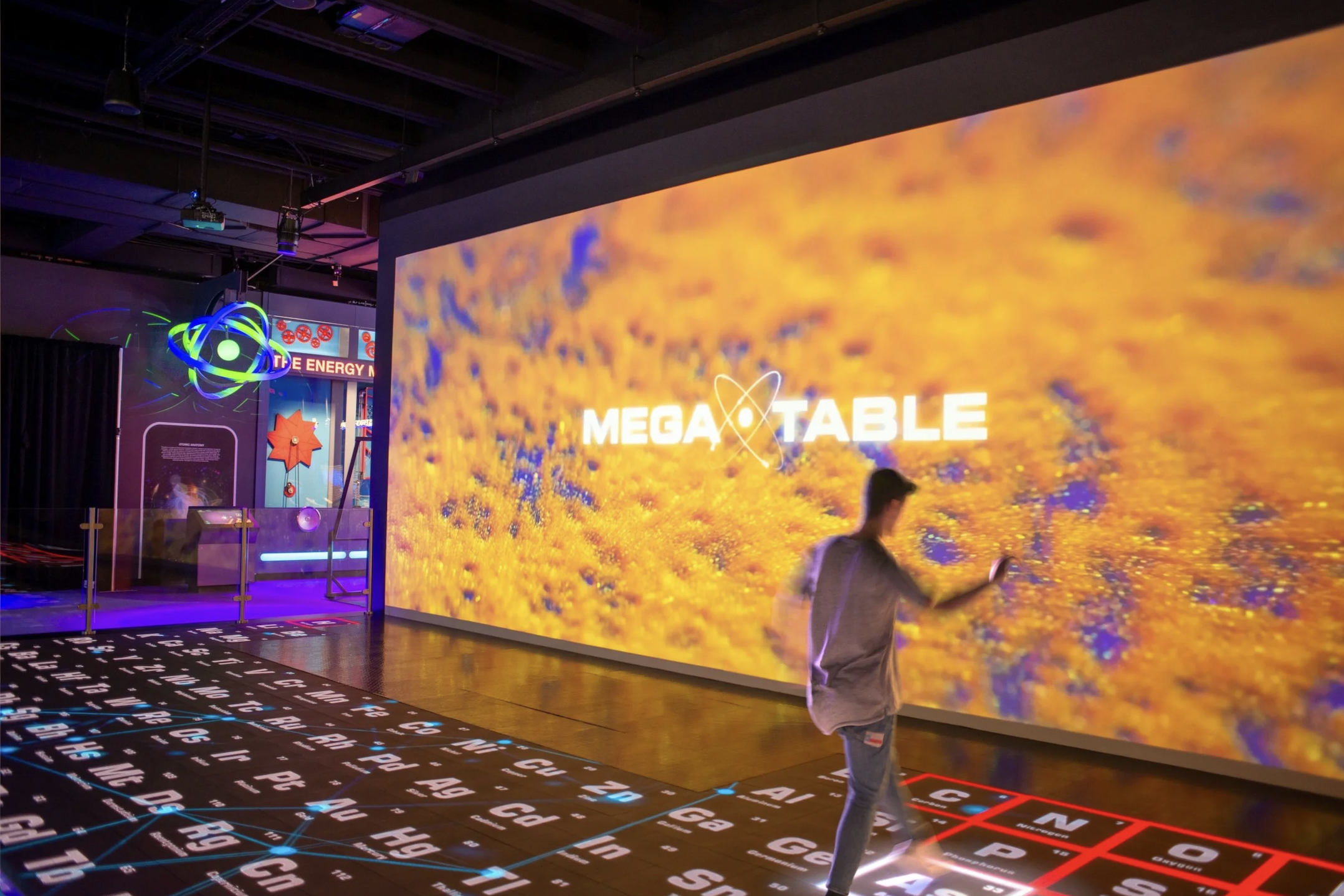
Matter & Motion Hall: Quantum Chemistry to Astrophysics, the Houston Museum of Natural Science
What does planning a new exhibit look like? Are you just receiving “orders” from museums and then managing the whole process, or is your team working with the museum’s team during implementation? How independent are you during the process?
That varies from museum to museum. In the Houston Museum of Natural Science’s case, they were giving me a lot of freedom. They had ideas, and we were implementing the whole process. I'm still considered a subject-matter expert (in energy) at the museum.
“...people think that (energy exhibits) might be biased toward energy industries, but it is not! It is just presenting facts about the industry; if you hate the industry, here are facts, and you can hate it more if you want to! We do not do propaganda.”
How are you evaluating visitor feedback based on their experience?
I'm getting feedback from museums about projects. I never had a case where they came with a survey that someone did not like the exhibition. After the Perot project (Tom Hunt Energy Hall at the Perot Museum of Nature and Science in Dallas), a New York Times article by a museum critic made a good point about an energy exhibit. It's not a secret that exhibits like that are mostly funded by energy companies, and people think that might be biased toward energy industries, but it is not! It is just presenting facts about the industry; if you hate the industry, here are facts, and you can hate it more if you want to! We do not do propaganda. I did several exhibits on fracking for environmental education, where we explain what energy companies do.
““Looking at those excited kids and visitors getting joy. And watching them isn’t the worst thing to do if you haven’t done anything else in life (smiles). For me, that’s wonderful!” ”
Which projects are you currently working on?
I'm now in an easy, semi-retirement period; my career has been kind of a bell curve, and now it's easing into the downslope. But I'm still supporting and consulting the Houston Museum of Natural Science.
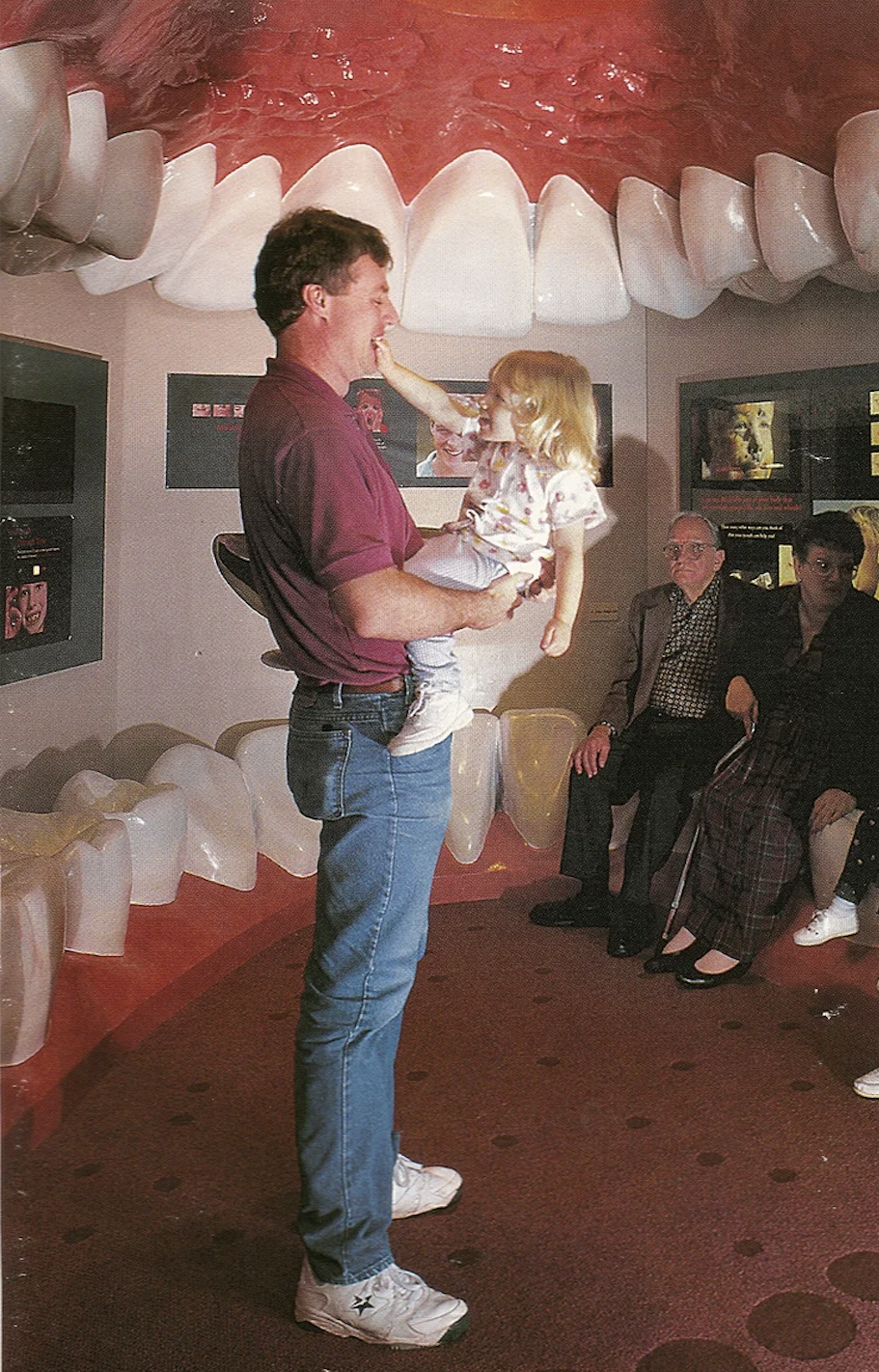
The Amazing Body Pavilion at the Health Museum in Houston, TX. Sculptural components fabricated by PBE.
Besides material benefits and career experience, what kept you in the museum field for so long?
Making exhibits and watching how people engage with them - it’s like teaching; of course, many teachers aren't getting paid as much as some exhibit designers (though they should be!), but it's kinda the same thing, looking at those excited kids and visitors getting joy. And watching them isn't the worst thing to do if you haven't done anything else in life (smiles). For me, that's wonderful!
